


The Early Warning Advantage
The Blind Spots in Threshold Alarms
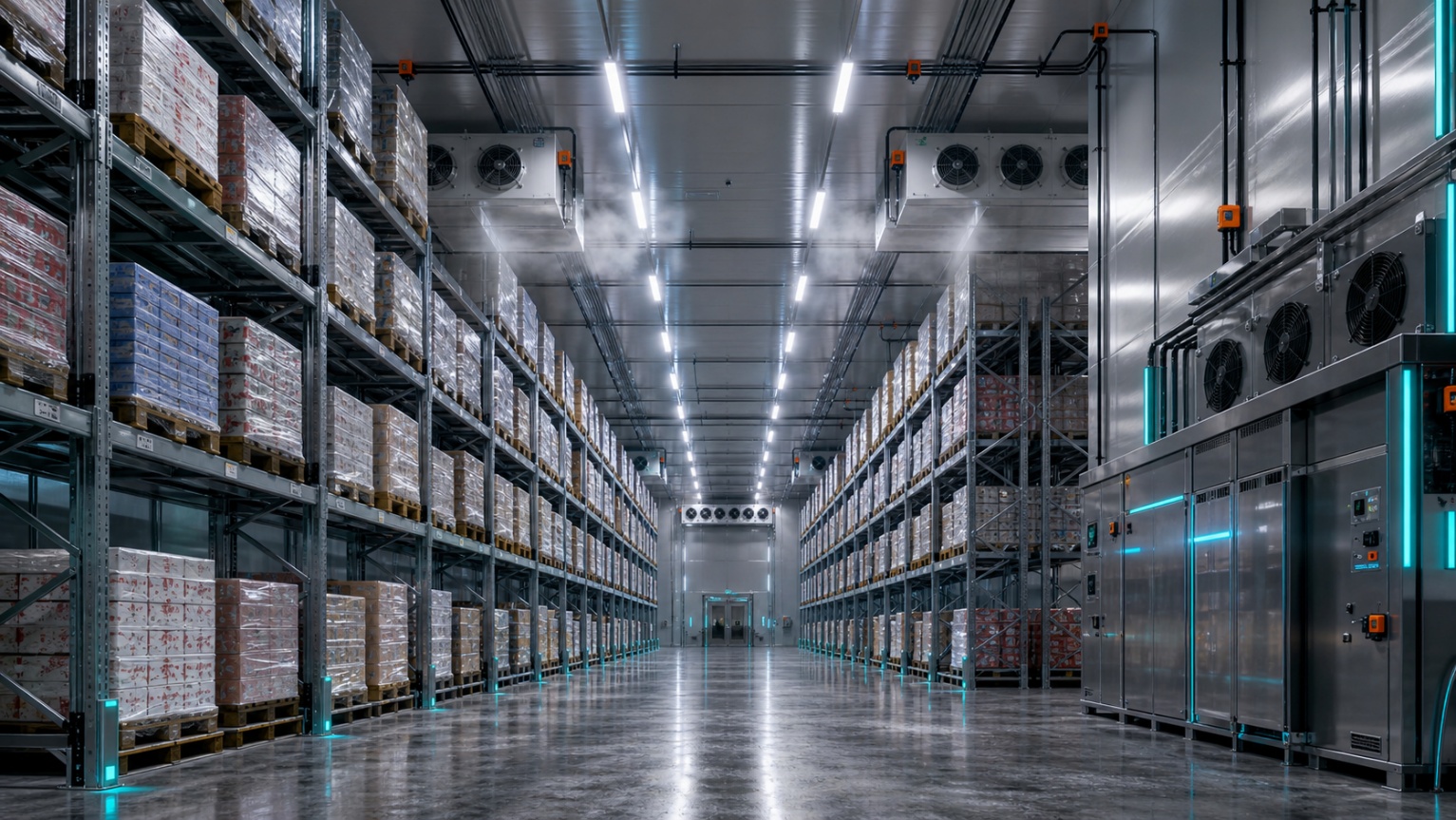
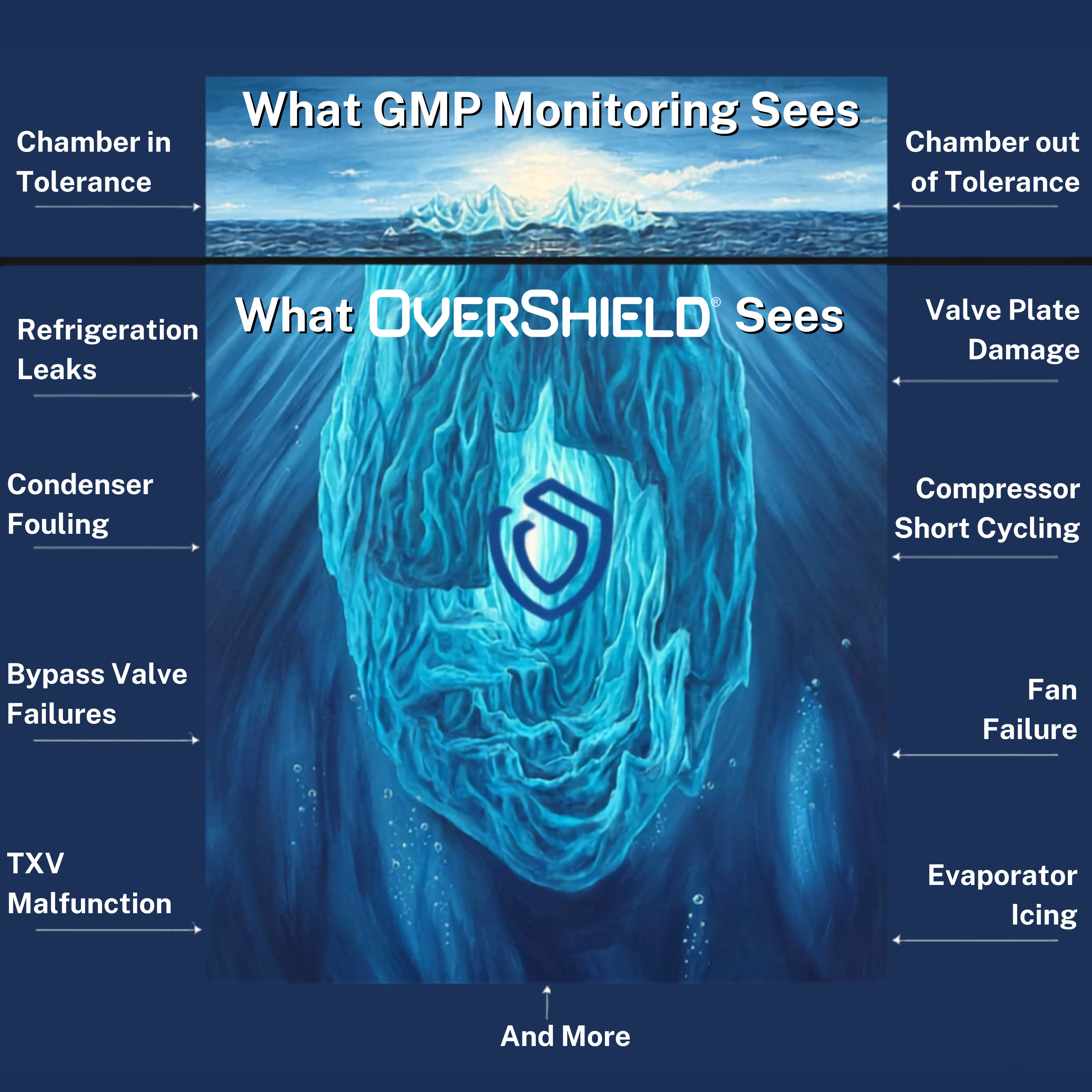
The alarm systems used in traditional monitoring essentially serve as comparators. They watch a small number of variables (e.g., chamber temperature, humidity, door state, etc.) and issue an alert whenever they cross a preconfigured limit. That’s the entire safety net. Unfortunately, when there are millions of dollars of irreplaceable products on the line, it’s not enough.
This infographic demonstrates the clear differences between GMP monitoring and OverShield.
Why Threshold Alarms Fall Short
- Alarms are lagging indicators. Inside a refrigerated chamber, the air temperature is the lagging indication that the system is failing. But long before the air warms enough to trigger an alarm, the discharge pressure, suction pressure, fan currents, and refrigerant temperatures have already begun to drift. By the time the chamber’s internal temperature alarm is activated, the underlying fault has been building up undetected.
- No context. Threshold systems do not distinguish between normal operational variability and developing faults. Common factors like a door opening, a defrost cycle, a hot afternoon, or a routine compressor stage change can produce sensor swings that either trip nuisance alarms or, more commonly, force operators to set thresholds wide enough that genuine early-stage faults pass through unflagged. The result is the familiar trade-off between alert fatigue and missed warnings.
- Alarms do not diagnose. Alarms indicate that something is wrong; they do not diagnose what is wrong, how to verify it, or what to do about it. The diagnostic work and the time pressure that comes with it fall entirely on the response team, usually outside regular business hours, and too often at 2 a.m. on a weekend.
The Evolution of OverShield
The first iteration of OverShield was built in 2015. It used basic third-party software with simple threshold alarms set above and below each sensor’s normal operating range. The limits of this approach surfaced almost immediately as alternating compressors swung sensors toward ambient every cycle, forcing half the alarms to be disabled. Even with that, brief spikes from door openings and defrost cycles tripped nuisance alerts. A typical delay feature, which required the threshold to be exceeded for many minutes, helped the situation, however, it exasperated the real fault by delaying the notification. It was still necessary to constantly re-tune settings. This required loosening them after false alarms and tightening them after every missed fault, with the hindsight that a slightly tighter limit would have caught the problem weeks earlier.
In 2022 Predictive Monitor and its founding development team came together with the goal of making this technology, named OverShield, commercially available. Since then, the underlying technology has undergone vast improvements, beginning with the development of the OverShield software. Among the improvements was revolutionizing how the anomaly detection works, which now includes:
- Prescriptive detection via auto-baselining. When OverShield is first installed, it runs in data collection mode for approximately two weeks. HVAC-R experts review the data to confirm the asset is running well (or recommend fixes if it is not). OverShield’s proprietary algorithm then uses that baseline to automatically configure anomaly detection settings.
- Intelligent anomaly detection via conditional logic. An anomaly will not trigger unless multiple conditions are true. This fixed the original issue of having to disable threshold alarms in the direction of ambient and greatly reduced nuisance notifications.
- Dynamic detection that adapts to change. The baseline updater does more than initial setup. When a major mechanical or controller change is made, anomaly settings are quickly re-tuned. For outdoor units in climates that vary across the year, the baseline adapts seasonally so anomalies stay relevant.
From Raw Detections to Curated Recommendations
OverShield sends 24/7 raw detections, but more importantly it sends expert-reviewed recommendations that include severity, risk, verification steps and suggested fixes.
Alarm Detection: What OverShield Customers See
OverShield Alarm
Below Limit Alert Triggered on: 18Feb26 05:24:19 UTC
Site: Building #1
Asset: SR-1
Point: Hot Gas Line
Peak Value: 20.76
Threshold: <45.74 for 30.0 mins
Unit: C
Link: OverShield Alarm
Curated Recommendation: What OverShield Customers See
Asset SR-1 reported two active alarms:
- Current: 0.00 A
- Hot Gas Temperature: 20.76°C
The system is exhibiting compressor short cycling along with irregular fluctuations in discharge, hot gas, and evaporator temperatures. These conditions indicate unstable operation that may impact the chamber’s ability to maintain setpoint.
Anomaly: Compressor short cycling with abnormal temperature behavior: rising discharge temperature, intermittent drops in hot gas temperature, and elevated liquid line temperature.
Severity: High
Risk: Degraded system capacity with high likelihood of failing to maintain chamber setpoint.
Verification Steps:
- Measure discharge and head pressure to determine high or low head condition.
- Inspect condenser fans for proper operation and rotation.
- Check condenser coil and air filter for fouling or restriction.
- Verify unobstructed condenser airflow and absence of air recirculation.
Suggested Fix:
- Replace or clean air filter if restricted.
- Correct airflow issues by removing obstructions or repairing faulty fans.
Conclusion
Threshold-based alarms play a role as a final safety net and the GMP end-of-day record, but they are not savvy enough to protect high-value critical products. They activate based upon lagging indicators, they cannot distinguish between normal variability from developing faults, and they force operators into a constant trade-off between nuisance alerts and missed warnings. OverShield was specifically designed to close that gap.
By learning each asset’s operational baseline, applying conditional logic to filter out routine events, and dynamically updating settings as systems and seasons change, OverShield surfaces faults days, weeks, and even months before a conventional alarm would trip. Equally important is the expert review that converts each alert into a prioritized, actionable recommendation, so when a notification reaches the response team, it’s truly meaningful and actionable. The result is fewer 2:00 a.m. false alarms, fewer surprise failures, and a protection layer that safeguards critical assets before products are ever at risk.
OverShield is an absolute game changer in refrigerated storage. Early Warnings Predict Success.
Ready to see how OverShield fits into your facility?
Contact our team to discuss your refrigeration systems and learn how OverShield provides earlier visibility into developing operational risks.
See OverShield in Action

Outcomes



.jpg)